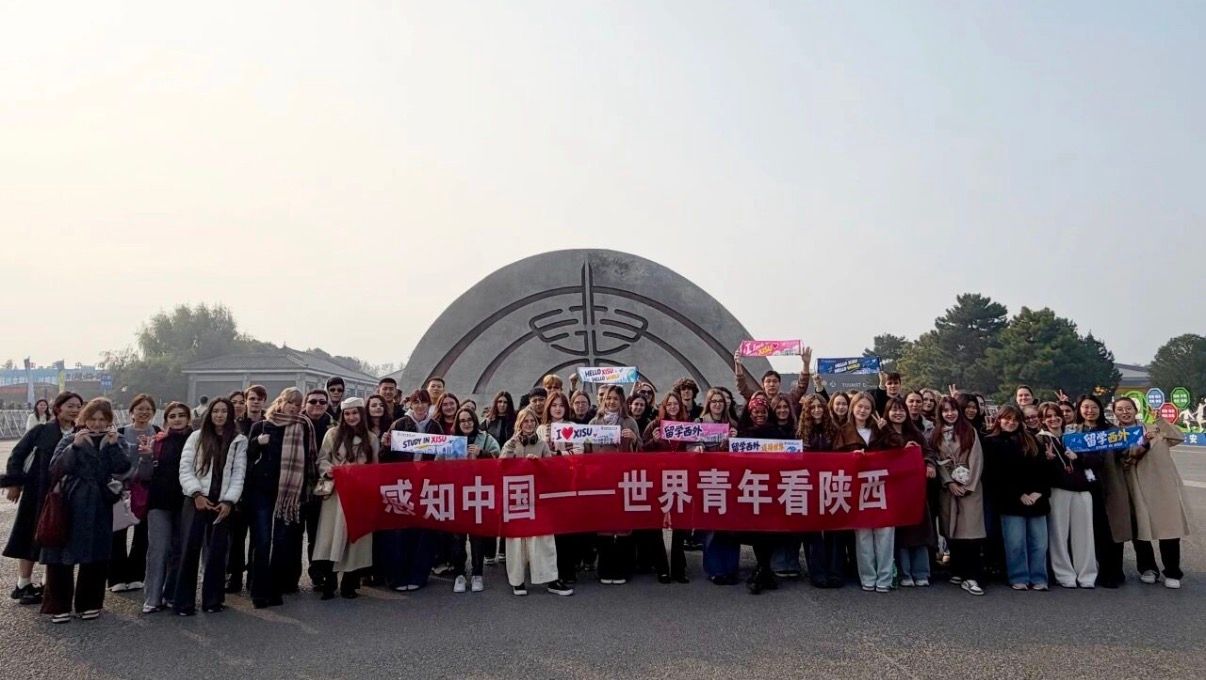
10月24日,我校组织开展“感知中国——世界青年看陕西”主题研学活动。来自俄罗斯、哈萨克斯坦、罗马尼亚、韩国、法国等11个国家的56名国际学生走进临潼,在被誉为“世界第八大奇迹”的秦始皇帝陵兵马俑景区,开启一场跨越两千年的文明对话。
Xi’an International Studies University (XISU) held a study tour themed “Experiencing China: World Youth Explore Shaanxi” on Saturday, unfolding a dialogue with a 2,000-year-old civilization. A total of 56 students from 11 countries, including Russia, Kazakhstan, Romania, the Republic of Korea and France, visited the Emperor Qinshihuang’s Mausoleum Site Museum, a world heritage site located in the district of Lintong, Xi’an.
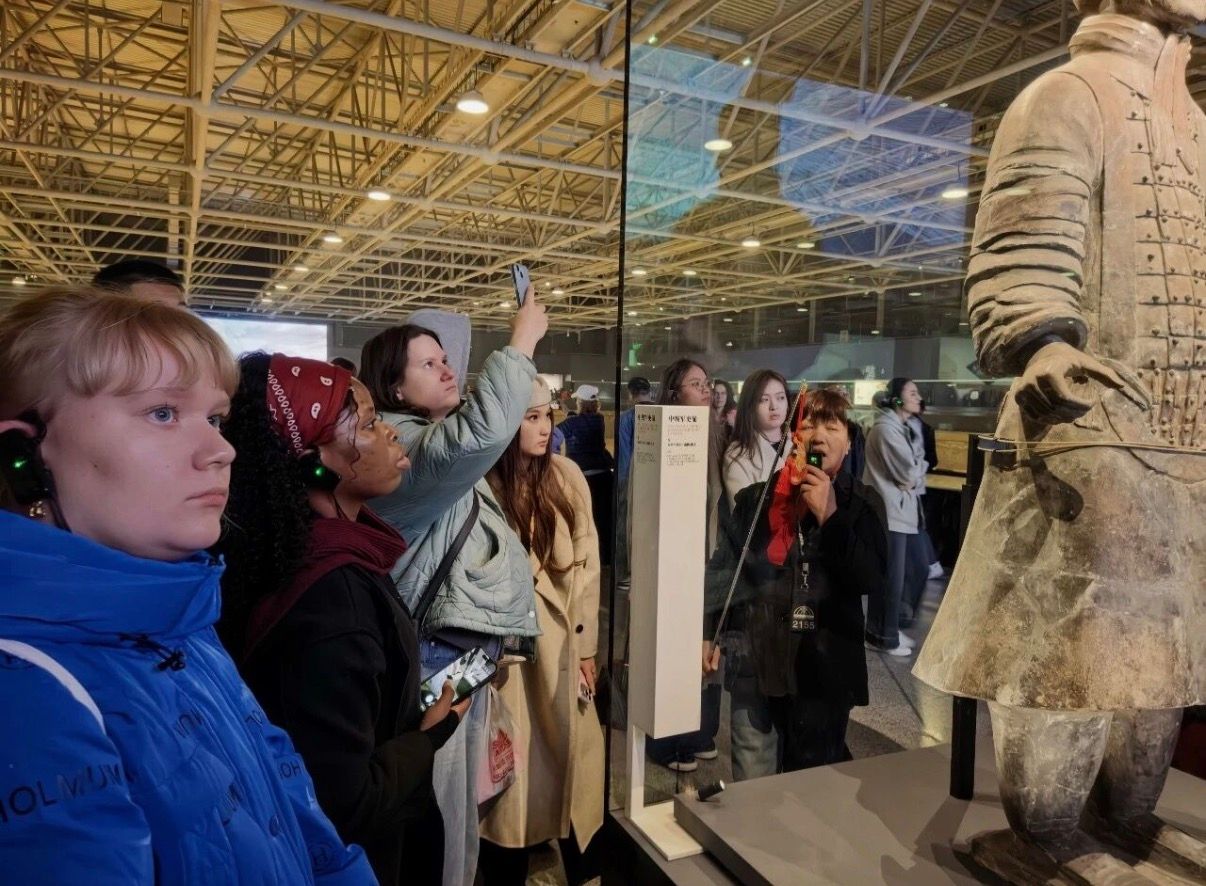
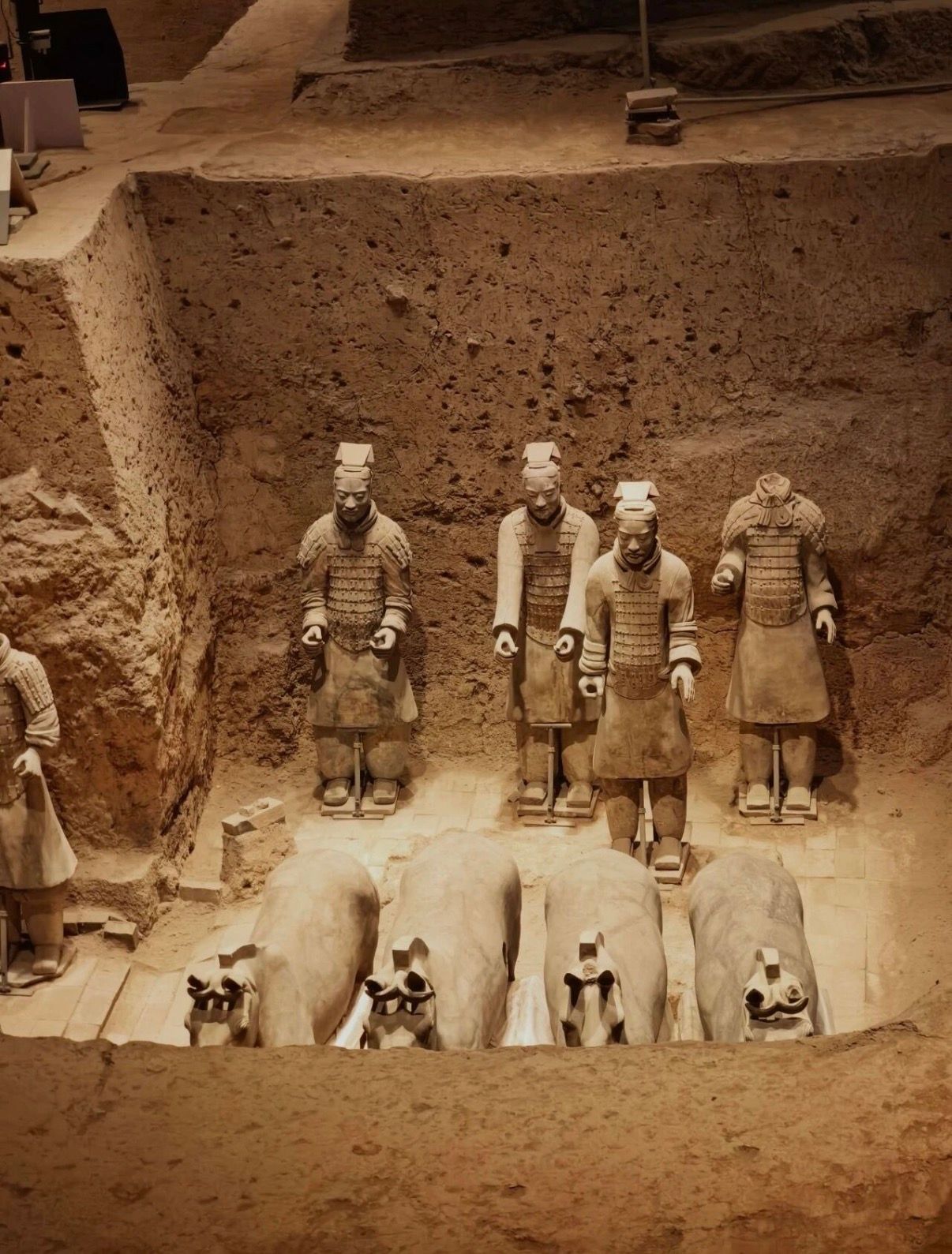
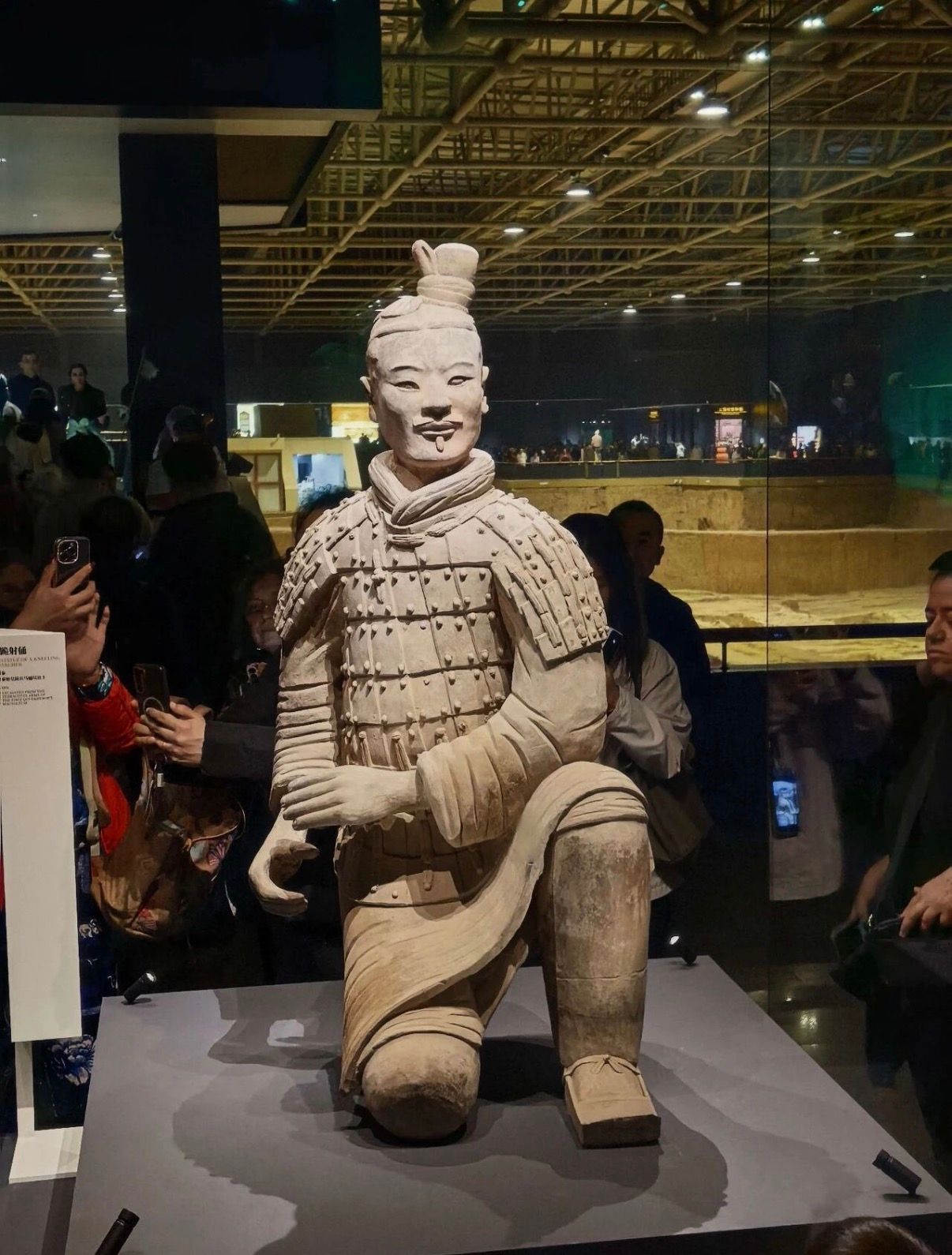
当天上午,师生一行首先参观一号坑。数千尊陶俑列阵而立、气势磅礴,各国青年纷纷驻足观看,从一张张面庞、一道道纹饰中体悟中国先民的智慧与匠心,深入了解兵马俑的发现历程、制作工艺以及秦代军队建制与礼制文化。
At Pit 1 of the museum, the students admired the awe‑inspiring terracotta army—thousands of life-sized statues of warriors, horses and chariots. They appreciated the wisdom and craftsmanship of ancient Chinese people from the warriors’ faces and fine patterns. Besides, they gained an in-depth understanding of the discovery of the army, its production techniques, the military organization and ritual culture of the Qin dynasty.
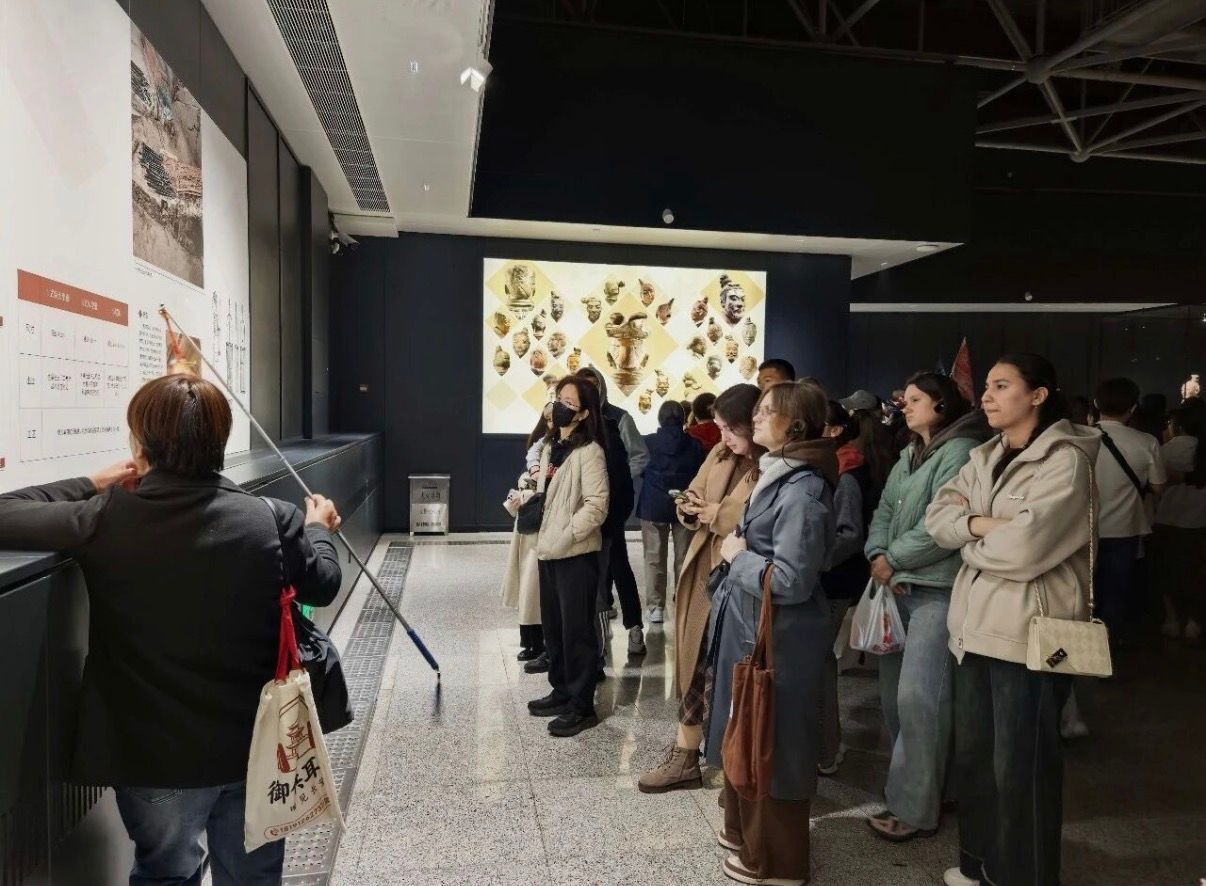
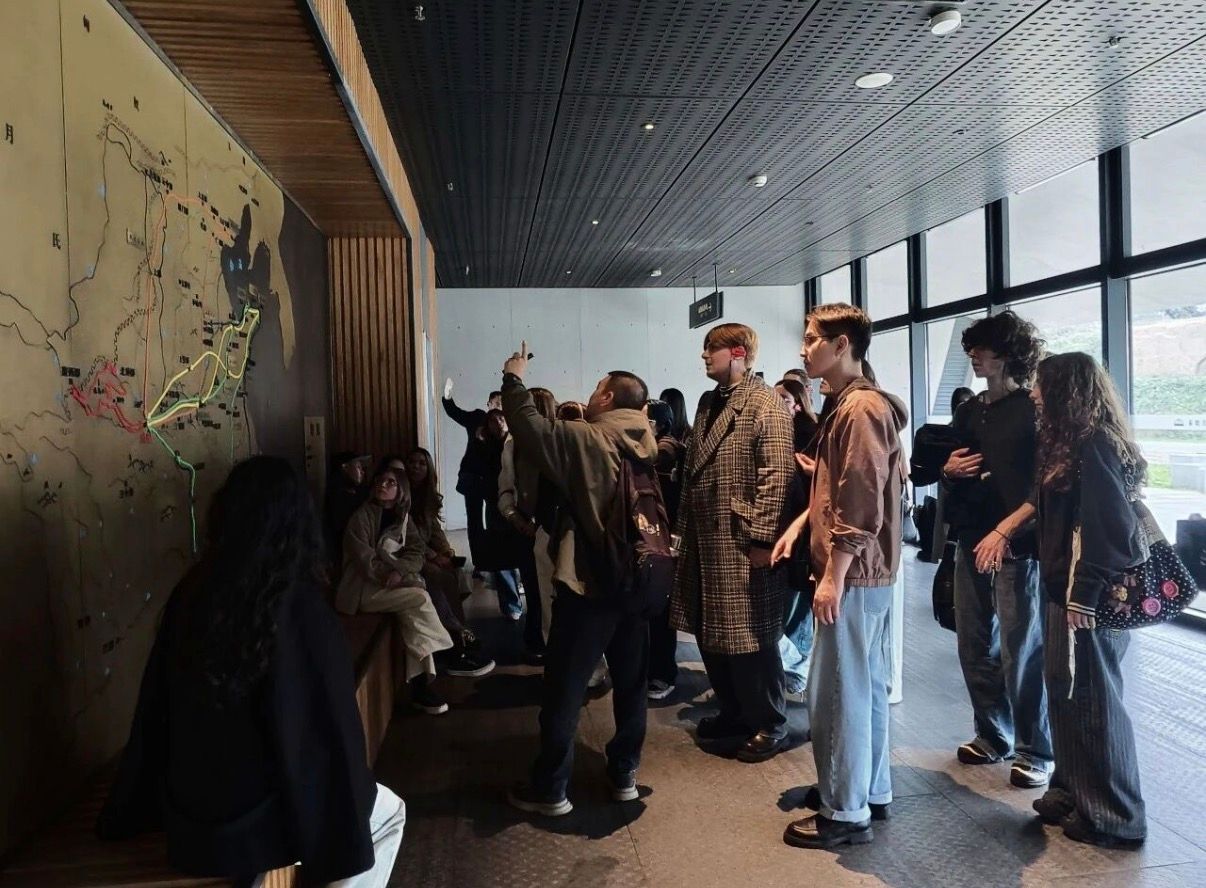
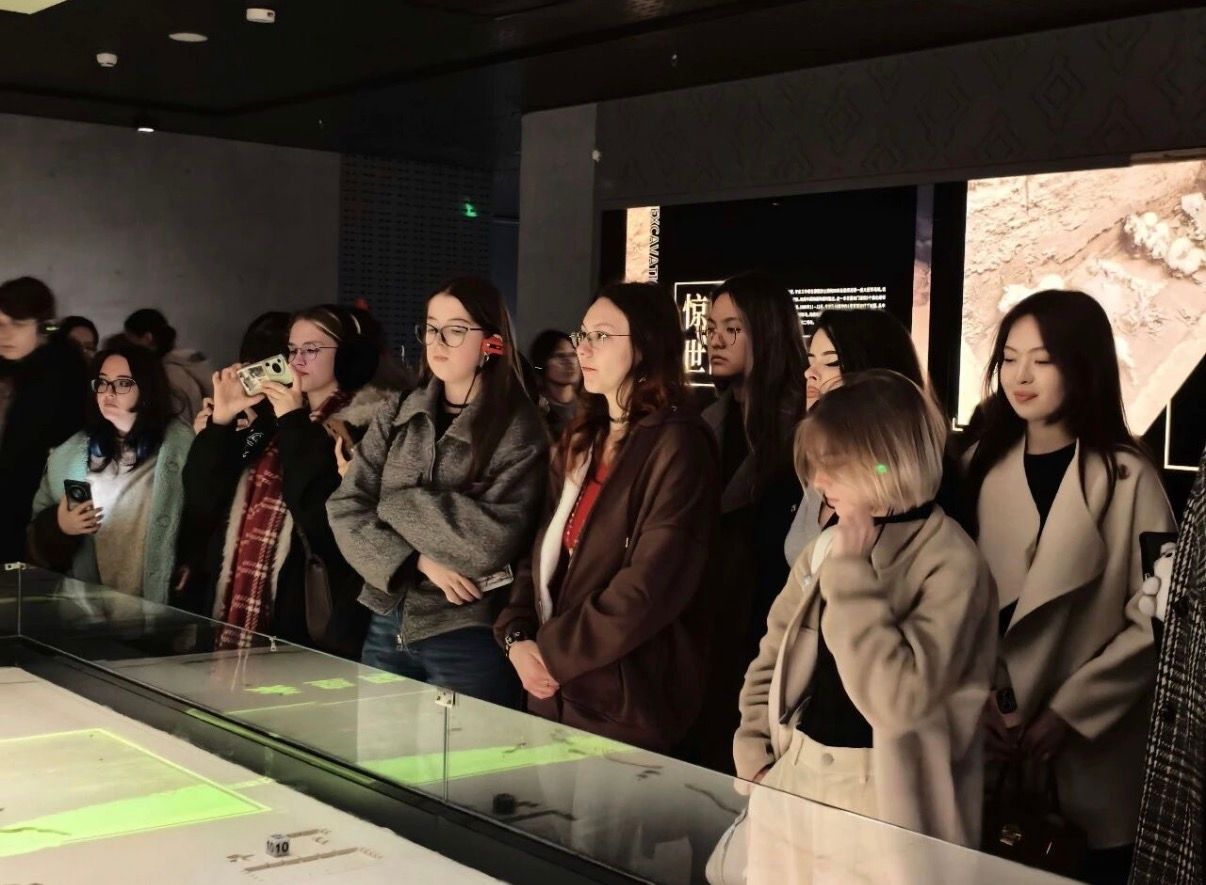
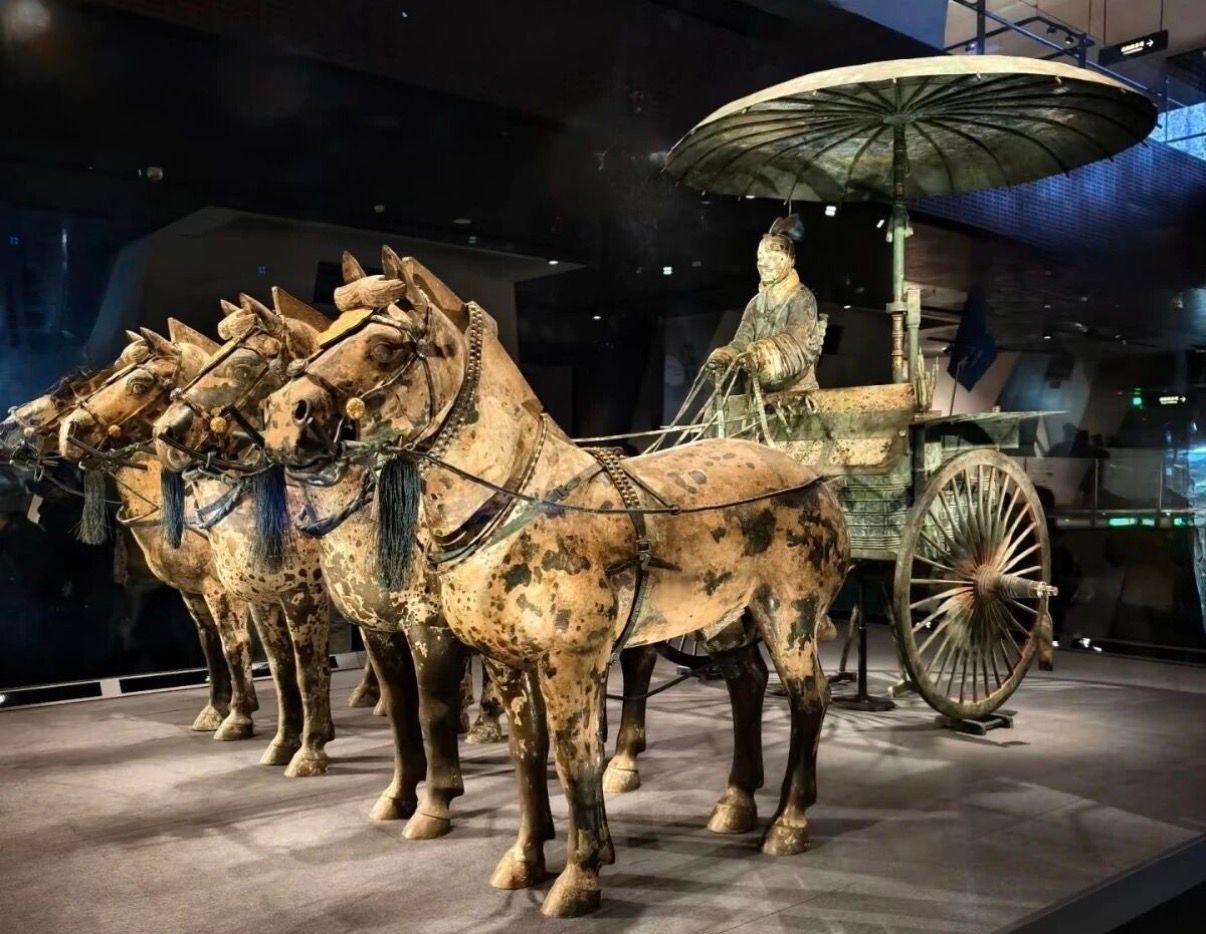
下午,研学队伍前往丽山园(秦始皇帝陵遗址公园),通过珍贵文物、复原模型与数字展陈,系统了解秦代青铜铸造技艺与车马制度。一件件展品如同窗口,让国际学生对中华文明的起源、发展与传承形成更为立体鲜活的认知。
The students visited the National Archaeological Relics Park (Lishan Park) in the afternoon, having a systematic knowledge of bronze-casting techniques as well as chariot-and-horse institutions. Like windows into history, the exhibits enabled international students to develop a more vivid and multi-dimensional understanding of the origin, development and inheritance of Chinese civilization.
此次研学是我校面向各类国际学生开展的研学实践活动之一,也是留学生入学引导和国情教育的重要内容。活动依托陕西厚重的历史文化资源,为海外青年搭建近距离感悟中华文脉、读懂真实立体全面中国的平台,促进中外青年相知相通、增进友好情谊,以文化体验助力中外人文交流、推动文明互鉴。
As one of the field activities launched by XISU for international students from diverse backgrounds, this study tour also serves as an important part of their orientation and national conditions education. The event leverages Shaanxi’s rich historical and cultural resources, and offers foreign youth a platform to experience the Chinese cultural heritage up close and perceive an accurate, multidimensional and panoramic image of China. It deepens mutual understanding and friendly bonds between Chinese and foreign youth, and advances people-to-people and cultural exchanges as well as mutual learning among civilizations through cultural experiences.